About the College
The College of Medicine is a part of the Division of Health Sciences and a component of the Iraqi Health System in Kurdistan Region and the one of the academic health center.
The College accepted its first students in 1992 and is noted for the excellence of its educational and research programs. Seventy to eighty medical students matriculate each year, selected from more than thousands applicants. A significant improvement had been achieved in building new departments, updating the library and initiating scientific partnerships with other universities and institutes.
Read more About the College



Mission
College of medicine of Duhok University is a governmental scientific institution aspires to be recognized as an institution of excellence, among the leading medical colleges in the region and the world, we look forward to be an effective partner in improving the health situation regionally, nationally and internationally through utilizing advanced concepts of medical education to graduate competent physicians capable of meeting the community needs in Kurdistan Region, Iraq and the world and capable to tackle their postgraduate studies.
The curriculum of the college has been changed to system – based integrated curriculum that concentrates on the outcomes, aiming to graduate doctors who are equipped with necessary knowledge, attitude, soft and hard skills.
The study is characterized by early clinical exposure to the patients with obvious integration of basic and clinical subjects and their practical applications taking into account the support for students in their learning progress and concerns.
The curriculum is arranged in a horizontal and vertical integration in a system – based manner. There are distinct modules of learning, which are taught using a combination of large group lectures, small groups work, clinical sessions, skill labs, student portfolio, seminar and stressing on the clinical relevance of learning with the clinical problems of patients.
The curriculum is designed to meet the outcomes of graduate appropriate for the current century. It encourages student-centered learning towards these outcomes. The curriculum contains 'core' elements which all students study, and 'Student Selected Components '.
The students will play an active part in the team working of problem-solving and encouraged in self-directed learning with the benefit of more detailed guidance from their tutors and supported by extensive written workbooks, references, IT-based and other essential learning requirements.
Assessments will be integrated and compatible with the course objectives and includes both formative assessments that give feedback and guidance to the students through the course of study, identifying and remedy any deficiency; and summative assessments which held at the end of semesters for progress and completion decisions. There will be assessment of student attainment of the detailed outcomes frequently and provide feedback to aid their learning with the support of personal professional development program (PPDP) and social units. The curriculum is managed by the curriculum committee as an associative group including academics with different medical specialties and student's representative and headed by the Dean of the college and Department of medical education.
The quality management committee will continuously monitor and evaluate the curriculum for persistent renewal and development of the curriculum.
The students will provide health awareness and basic medical services to different communities worldwide.
Learning Outcomes
To graduate junior doctors possessing and fulfilling the following criteria:
1- The doctor as a scholar and a scientist:
The graduate will be able to apply to medical practice, biomedical scientific principles, methods and knowledge in order to:
- Apply psychological principles, method and knowledge to medical practice.
- Apply social science principles, method and knowledge to medical practice.
- Apply to medical practice, the principles, methods and knowledge of population health and the improvement of health and healthcare.
- Apply scientific method and approaches to medical research.
2- The doctor as a practitioner:
The graduate will be able to carry out a consultation with a patient to:
- Diagnose and manage clinical presentations.
- Communicate effectively with patients and colleagues in a medical context.
- Provide immediate care in medical emergencies.
- Prescribe drugs safely, effectively and economically.
- Carry out practical procedures safely and effectively.
- Use information effectively in a medical context.
3- The doctor as a professional:
The graduate will be able to behave according to ethical and legal principles to:
- Reflect, learn and teach others.
- Learn and work effectively within a multi-professional team.
- Protect patients and improve care.
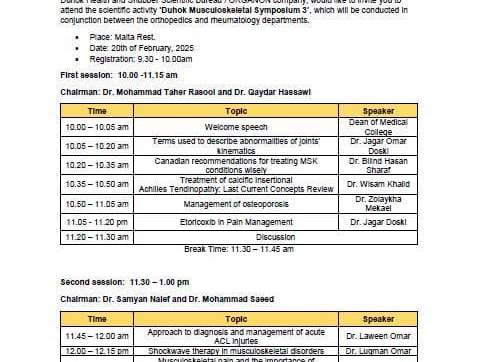
Event
Departments
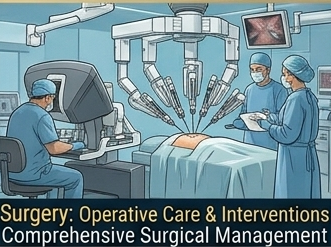
Surgery
Read more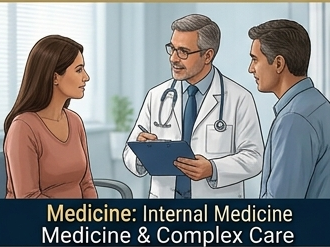
Medicine
Read more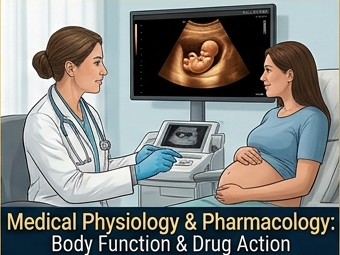
Obstetrics and Gynecology
Read more
Pediatrics
Read more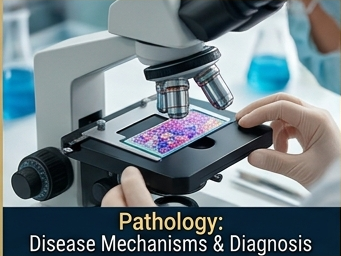
Pathology
Read more
Medical Physiology and Pharmacology
Read more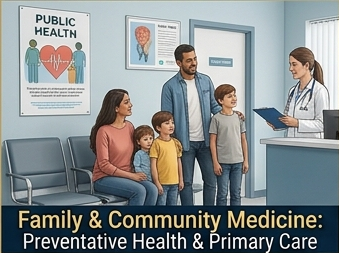
Family and Community Medicine
Read more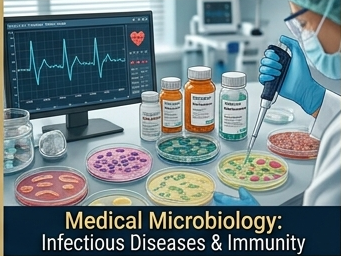
Anatomy, Biology and Histology
Read more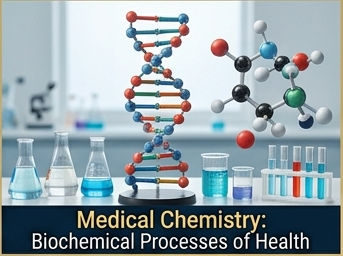
Medical Chemistry
Read more
Medical Microbiology
Read more
Medical Education Development
Read moreCollege Board
Quick facts
Partners